Low coolant is one of those problems drivers try to measure in their heads. The car is still running, the warning light may not stay on, and the engine has not fully overheated yet, so it is easy to wonder whether it is safe enough to keep going. That is usually where the risk gets underestimated.
Yes, driving with low coolant is dangerous because the engine can move from usable to overheated much faster than most people expect.
Why Low Coolant Changes The Risk So Quickly
Coolant does far more than just sit in the radiator. It carries heat away from the engine, helps regulate temperature under load, and prevents hot spots from forming in the cylinder head and engine block. Once the level drops, the cooling system loses reserve capacity right away.
That is why a car with low coolant can seem fine one minute and start running hot the next. The system has less room to handle traffic, long idling, steep grades, warm weather, or heavier driving. A problem that feels small in the driveway can get serious very quickly once the engine is fully loaded.
What Makes It Dangerous While You Are Driving
The real danger is not just the missing fluid itself. The bigger issue is how quickly the engine can overheat once the coolant falls below the level it needs to circulate properly. When that happens, temperatures stop staying even, pressure changes, and the engine starts working with less protection than it was built to have.
That heat can damage the head gasket, warp metal parts, and shorten the life of seals and other cooling system components. Even before major damage happens, low coolant can leave you stuck in traffic or on the shoulder with steam coming out from under the hood. It is an engine protection issue first, and a drivability issue right behind it.
Warning Signs You Should Not Ignore
Most cars give some warning before a low coolant problem turns into a shutdown. The problem is that drivers often keep going because the signs seem mild at first.
Common warnings include:
- The temperature gauge is climbing higher than usual
- Heat from the vents is getting weak or inconsistent
- A sweet smell from the engine bay
- Steam or vapor near the hood
- A low coolant message or warning light
- The coolant level is dropping in the reservoir
Once any of those signs show up, the safe choice is to take them seriously. Waiting to see whether they get worse is usually how the repair gets bigger.
Is It Safe to Drive The Car A Short Distance?
This is the question most people really want answered. In some cases, the car with slightly low coolant can still move a short distance without immediate damage. That does not make it safe. It only means the engine has not overheated yet.
The risk is that you do not know how close the system already is to falling behind. A short drive across town can turn into dangerous engine overheating if traffic slows, the leak gets worse, or the coolant level is already lower than it looks. If the temperature gauge is rising or the warning keeps returning, driving it further is a bad bet.
Where The Coolant Usually Goes
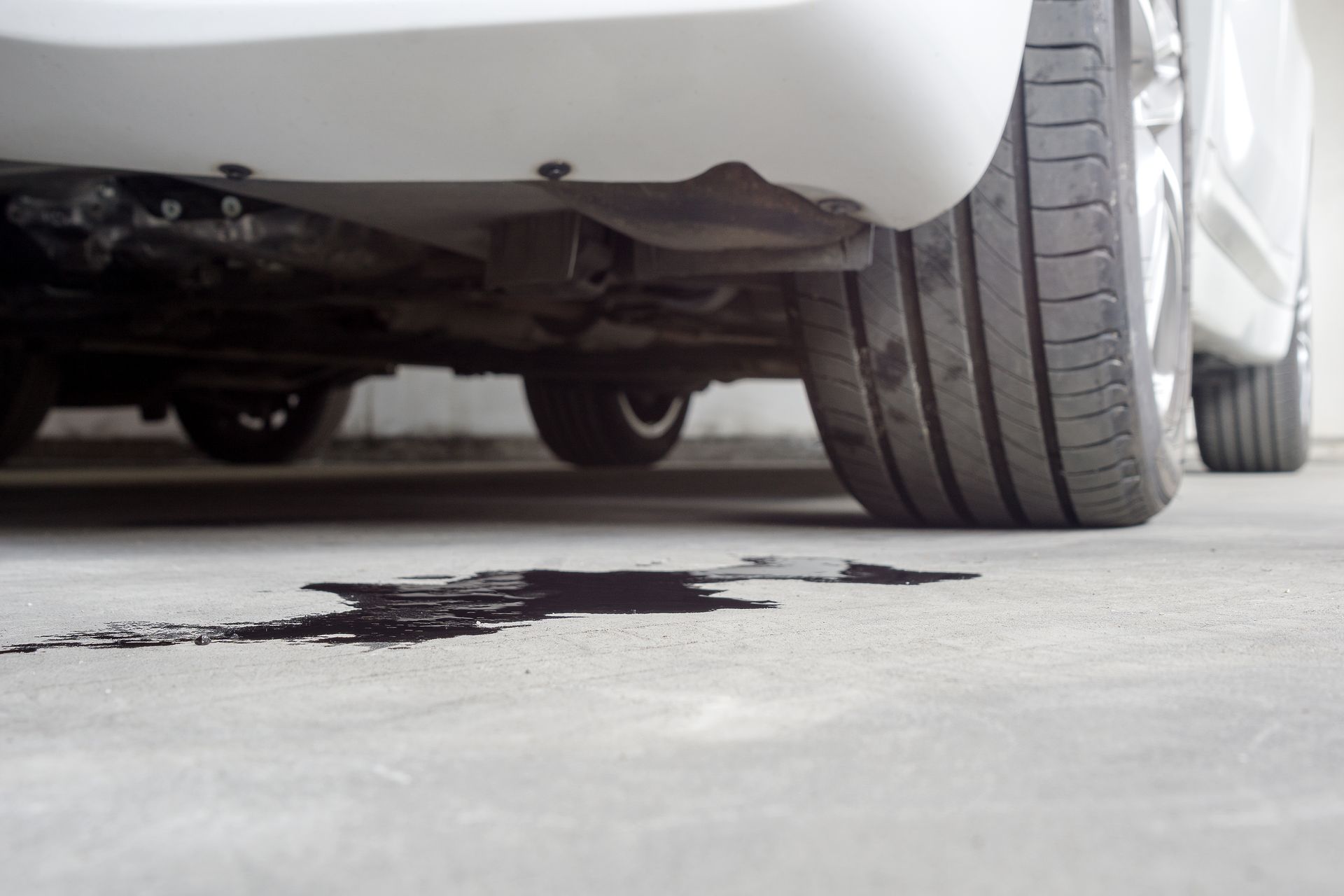
Coolant loss always has a reason. It may be leaking from a hose, radiator seam, water pump, thermostat housing, heater hose, or reservoir. In more serious cases, it may be leaking internally through a head gasket problem, which is exactly why low coolant should never be treated like normal fluid use.
This is where an inspection helps a lot. Finding the source early usually keeps the repair focused on the cooling system rather than the engine. A small leak caught in time is far easier to deal with than the engine damage that follows if it is ignored.
Why Repeated Top-Offs Are Risky
A lot of drivers keep adding coolant, hoping it's enough. The problem with that approach is simple: topping it off does not stop the leak, restore lost pressure, or guarantee safe engine temperature once you start driving. It only hides the urgency for a little while.
That is why repeated top-offs usually lead to more expensive repairs later. The leak continues, the system remains weak, and the engine keeps facing heat it was never supposed to handle. During regular maintenance, small cooling system leaks are much easier to catch before they turn into an overheating event.
What To Do If You Suspect Low Coolant
If you think the coolant is low, do not wait for a full overheating incident to confirm it. Check the reservoir only when the engine is cool, look for visible leaks or crusty residue, and pay close attention to the temperature gauge and heater performance. If the gauge starts climbing or steam appears, shut the engine off as soon as it is safe to do so.
The smartest move is to stop treating it like a maybe and have the cooling system checked properly. Low coolant is not one of those warnings that usually stays mild for long. The sooner the source is found, the better the chance of avoiding engine damage.
Get Cooling System Repair In Corpus Christi, TX, With Dub's Garage
If your coolant level keeps dropping or your car has started running hot, Dub's Garage in Corpus Christi, TX, can perform an inspection, identify the source of the loss, and repair it before low coolant becomes a much more serious engine problem.