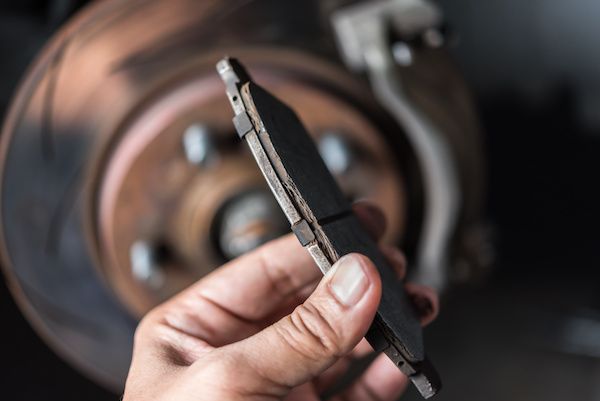
Completely worn brake pads often announce themselves with a harsh grinding sound. By that stage, the friction material has been used up, and the metal backing is contacting the rotor. Every further stop risks removing more metal from the rotor surface.
The better time to check is before that sound begins. Brake inspections measure what's left and spot uneven wear, so you can plan replacement before the backing plate hits the disc.
Some pads wear quietly. Others give an earlier squeal. How your brakes sound is worth reporting, but measurements show the condition that determines the repair.
What Brake Pads Lose as They Wear
A brake pad has friction material attached to a backing plate. When the caliper presses the pads against the rotor, that friction slows the wheel. The working material gradually becomes thinner. The wear rate depends on the vehicle and its use. Traffic, hills, loads, and braking habits change how often the pads work and how much heat they produce. A pad replacement interval that fits another driver won't tell you exactly when yours will run out.
Regular measurement tracks that remaining material. The shop should check all pads on the axle, including those hidden behind the rotor. The pad you see through a wheel opening sometimes has more material than its partner.
Grinding From Completely Worn Brake Pads
Once friction material is gone, the backing plate rubs the rotor. The sound is usually harsher than a light squeak and often repeats whenever you press the brake pedal.
That contact damages the rotor's working surface. Deep grooves, heat damage, and loss of thickness affect whether the rotor is still serviceable. Driving until the noise becomes unbearable turns a pad-wear problem into a larger repair.
Persistent grinding means you should stop using the brakes and arrange an inspection. If braking weakens, the pedal changes, or the car pulls sharply, pull over safely and request help. A quiet stretch between stops doesn't reverse the damage.
Brake Pad Squeal and Wear Indicators
Some pads include a metal wear indicator that contacts the rotor before the friction material is fully depleted. That produces a warning squeal designed to prompt service.
Other vehicles use electronic wear sensors. Their warning depends on the fitted design and sensor location. Check the owner's manual for what the message means, then have the brakes measured.
Noise has other causes too. Surface rust, debris, and vibration sometimes create a brief sound. Report whether it disappears after ordinary initial braking or repeats through the whole drive. A repeated squeal shouldn't be dismissed just because the pedal still feels normal.
Why One Brake Pad Wears Out First
Pads on the same brake don't always wear equally. A sticking caliper piston or slide prevents the assembly from moving and releasing correctly. One pad remains loaded longer and wears faster. That difference explains why an outside pad sometimes looks healthy while an inside pad is nearly gone. Looking at one visible surface leaves the hidden wear unmeasured.
The repair should restore movement as well as replace worn parts. New pads fitted to a dragging brake will wear out just as quickly. We inspect caliper operation, hardware, boots, and hydraulic concerns when the pattern points toward a release problem.
Vibration and Changes in Brake Feel
A vibration under braking often leads to checking rotor condition, thickness variation, mounting surfaces, and related components. Worn pads are part of the review, but you need to identify the cause of the shaking.
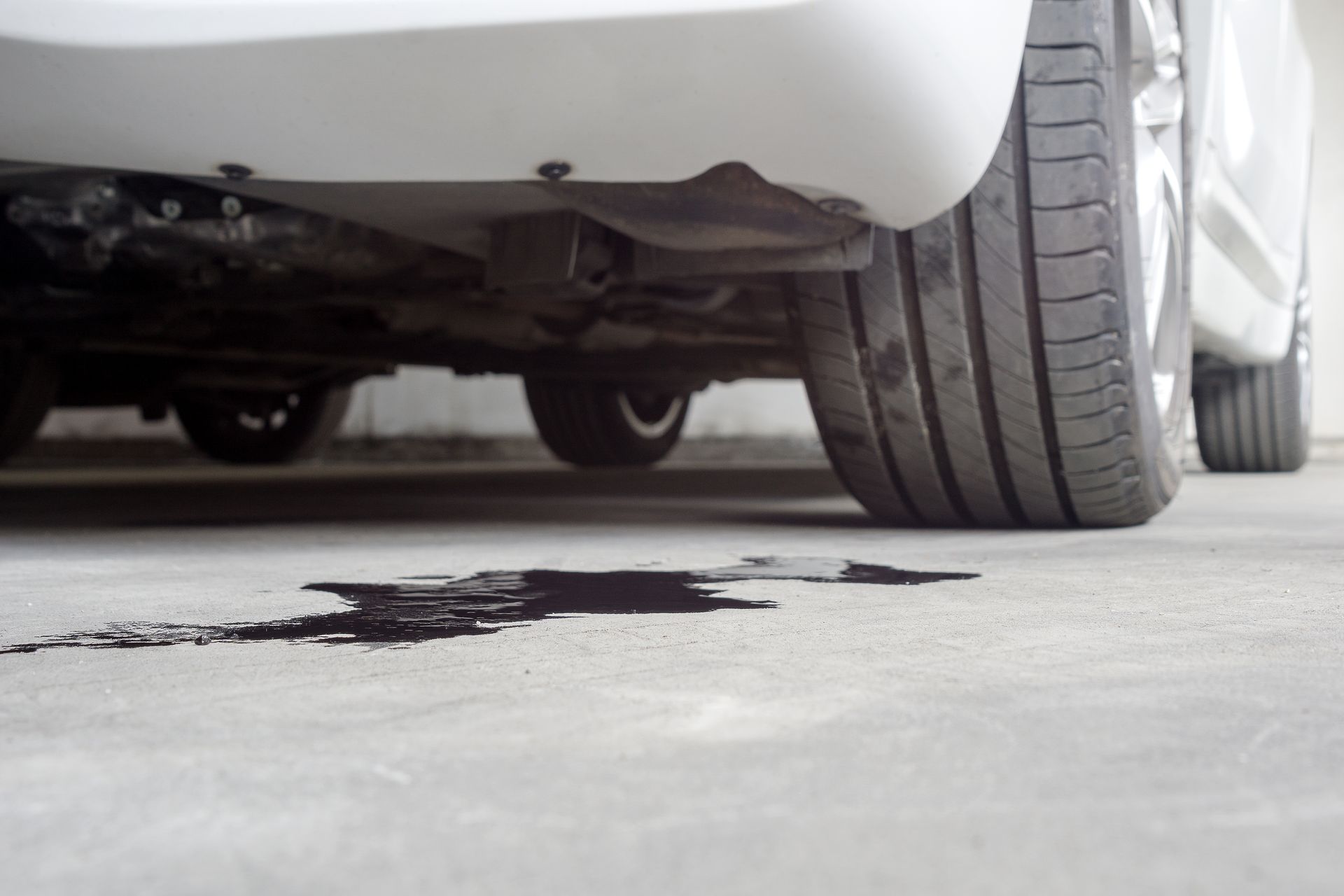
A soft, sinking pedal, or fluid leak raises a different concern. Hydraulic operation requires inspection immediately. Don't assume pad replacement will fix a loss of pedal pressure.
Describe where you feel the vibration and when it occurs. Shaking mainly through the steering wheel during a stop differs from a vibration felt while cruising with your foot off the brake. Those details help us inspect the right systems.
Brake Symptoms That Shouldn't Wait
Arrange a brake check for:
- Repeated grinding during normal stops
- A persistent squeal or brake wear message
- Pulling to one side when braking
- A pedal that feels soft or sinks
- New vibration while slowing down
- Heat, smoke, or a burning smell near a wheel
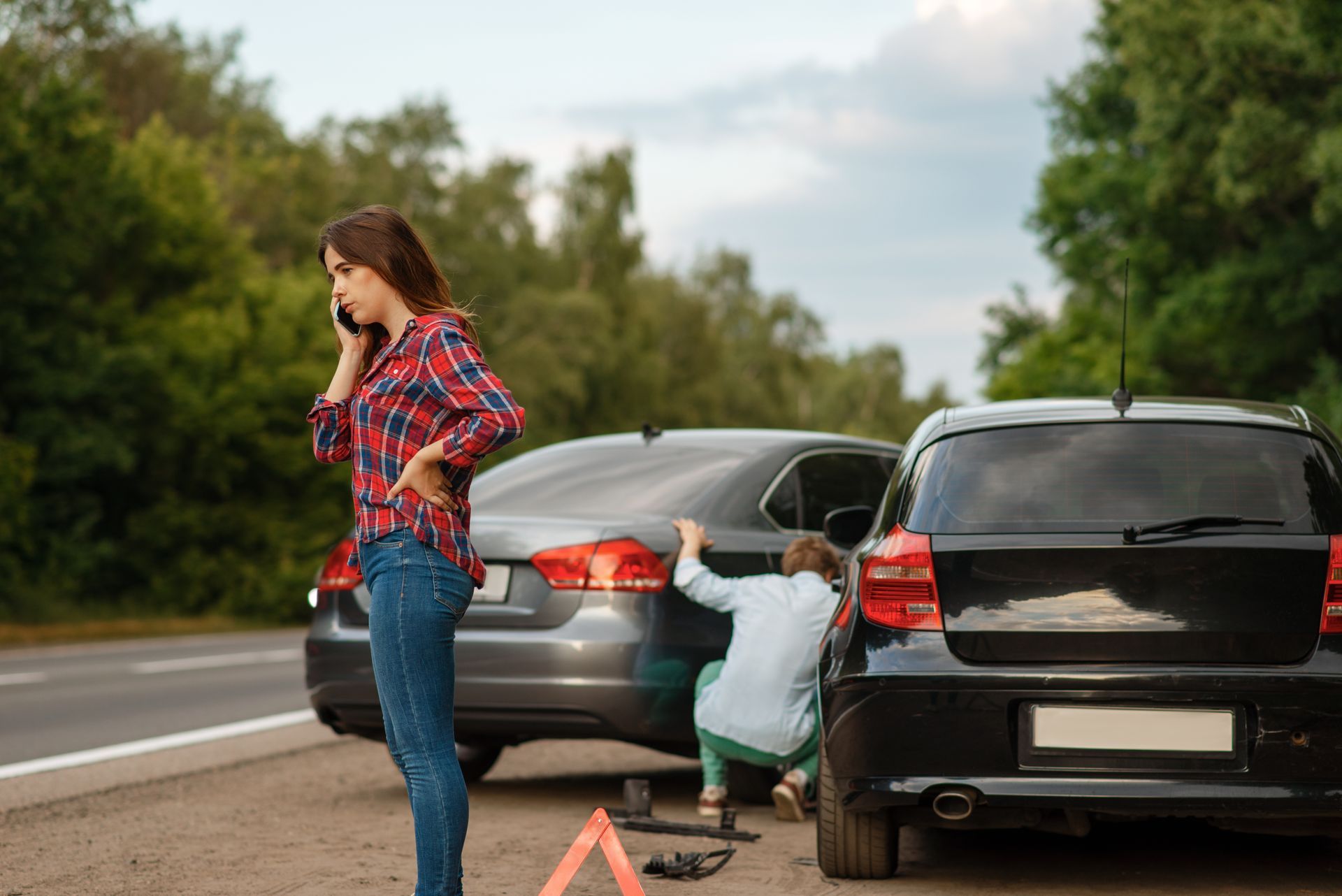
If you lose stopping power, stop safely ASAP and arrange transport. Reaching the driveway isn't worth another stop with unreliable brakes.
What a Brake Pad Inspection Includes
We measure the pads and review the wear pattern across the assembly. The inspection also includes rotor surfaces and thickness, caliper movement, hardware, and signs of leakage.
The findings indicate whether the work is a routine pad replacement or a repair that requires additional parts. A damaged rotor has to be measured against the manufacturer's service limits. Some rotors permit resurfacing under defined conditions; others require replacement.
A complete estimate should state the work for the axle and explain why each component is included. If a caliper has caused uneven wear, you should know that before authorizing new friction parts. The repair should leave the brakes releasing and stopping correctly.
Checking Brake Pads Before They're Gone
Build brake measurements into your maintenance records. The trend across visits gives you a better plan than waiting for a warning sound.
For example, a gradual reduction across both pads on an axle suggests normal use. A sudden drop on only one pad points toward a developing movement problem. That pattern deserves a check before the remaining material disappears.
After service, follow the shop's instructions for the installed pads and rotors. Report any remaining pulling, grinding, or unusual pedal behavior promptly. The finished job needs to match the complaint and the brake manufacturer's installation requirements.
Brake Pad Inspection and Replacement at Dub's Garage
Dub's Garage in Corpus Christi, TX, can inspect worn pads, measure rotors, and review squealing, grinding, or uneven brake wear. Explain when the sound begins and whether braking feel has changed so we can discuss the safest way to bring in the vehicle.
Call
Dub's Garage to schedule brake service before worn pads damage more of the braking system.